

Blog
HPV Vaccine in India: Cost, Schedule & Cervical Cancer Prevention
HPV vaccine in India helps prevent cervical cancer and other HPV-related cancers. Learn about cost, schedule, and eligibility for men and women.
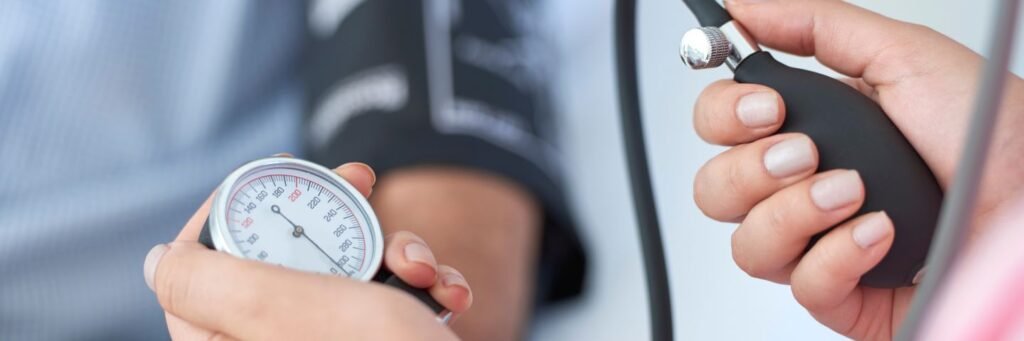
Managing blood pressure levels is not just about medication- it’s about understanding the body demands, active consistency and healthy lifestyle choices. Unhealthy food choices, sedentary lifestyle has made hypertension makes its roots deep into Indian society and the need of the hour demands absolute changes. Imagining taking control of your health – one small habit at a time, no waiting in lines at the hospital, no panic over sudden spike or fall in blood pressure levels – just balance, awareness, care and self monitoring can take you a long way.
Normal blood pressure is typically considered between 90/60 mmHg and 115/75 mmHg, values below 90/60 mmHg are referred to as hypotension and values more than 130/80 mmHg are considered as hypertensive values.
When we say that a blood pressure value is normal, it means that the force of blood exerted on your arteries is at an optimum level and the heart is pumping blood and efficiently circulating to all your body parts.
Everyday revolutionary advancements in medical sciences has made health assessment easier in this era, there are multiple devices available for regular BP monitoring:
Some steps to help you navigate in blood pressure measurements to get accurate readings:
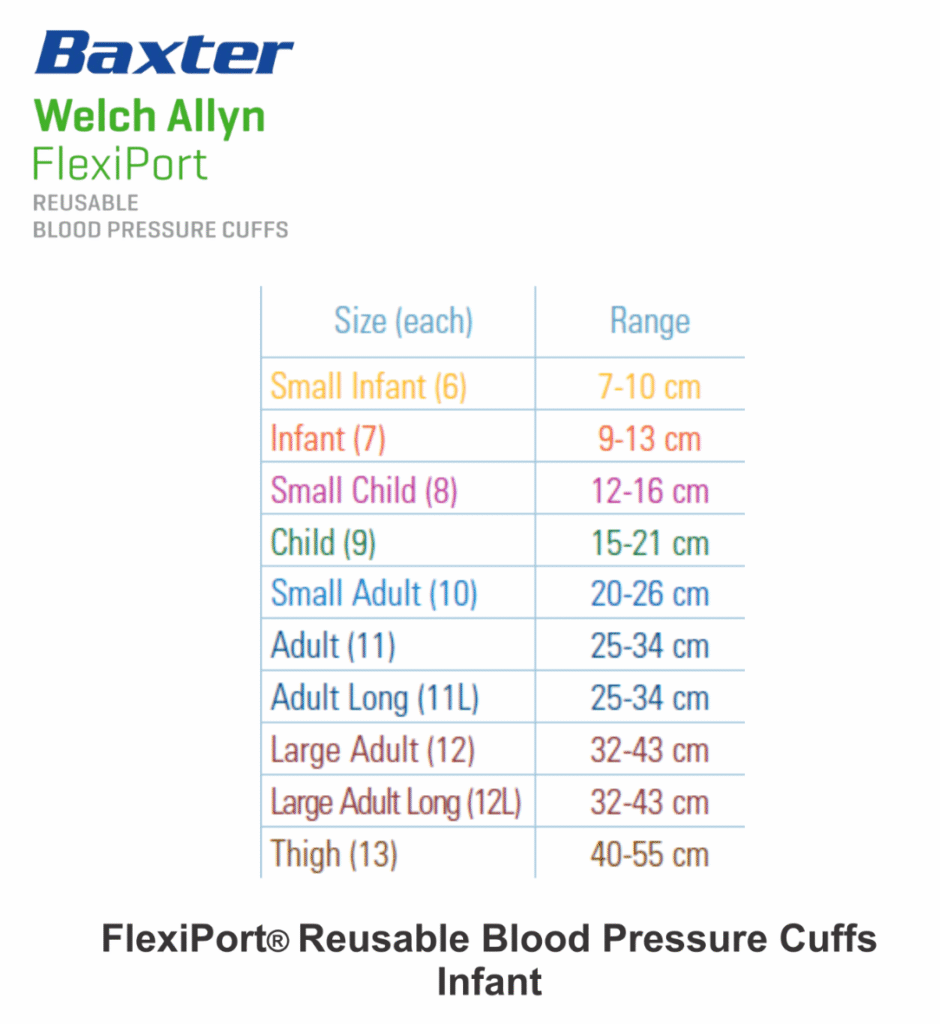
Choosing the right cuff size: A cuff that is too small can lead to an artificially higher reading. Measuring your upper arm ensures that you get the correct size.
Position : Sit in an upright position with back supported, feet resting on the floor, and your arm supported and placed to rest at heart level.
Avoid certain actions: Do not talk or look at a cell phone while taking a reading. Avoid measuring if your bladder is full, and don’t take a measurement within 30 minutes of consuming alcohol, caffeine, or smoking to avoid false high/ low ratings.
Relax before measuring: Sit quietly and relax for about five minutes before taking a measurement.
Measure at consistent times: Take your blood pressure at the same time each day for consistent results.
Check with your doctor: Bring your monitor to your next appointment to have your doctor check its accuracy and ensure you are using it correctly.
35% Indian population is hypertensive or at the risk of hypertension, a lot of factors like unhealthy diets (excessive salt consumption, a diet high in saturated fat and trans fats, low intake of fruits and vegetables), physical inactivity, consumption of tobacco and alcohol, and being overweight or obese increase the prevalence of hypertension. In addition, there are environmental risk factors for hypertension and associated diseases, where air pollution is the most significant.
Non-modifiable risk factors include a family history of hypertension, age over 65 years and co-existing diseases such as diabetes or kidney disease.
In healthy people, low blood pressure without any symptoms isn’t usually a concern and doesn’t require treatment. But low blood pressure can be a sign of an underlying problem — especially in older people — and could reduce blood flow to the heart, brain, and other vital organs.
Long-lasting low blood pressure with no symptoms is almost never serious. But you can have health problems when your blood pressure drops suddenly and your brain doesn’t have an adequate blood supply. This can lead to dizziness, lightheadedness, and sometimes fainting.
Unchecked high bp levels can cause brain damage leading to stroke. Hypertension is often referred to as the silent killer since it shows sudden onset of deterioration and can cause symptoms like facial paralysis, arms and leg paralysis, very high bp levels can even cause arterial wall weakness which can lead to damage of the vessels and haemorrhage in the brain which can be fatal or cause irreversible harm compromising daily activities.
Several lifestyle changes and dietary modifications along with compliant regular intake of medication can help maintain satisfactory bp levels. People who have been diagnosed as prehypertensive i.e. below 130/80 mmHg can easily bring their levels to satisfactory values by being consistent.
Here are some AHA recommended steps to help control blood pressure levels:
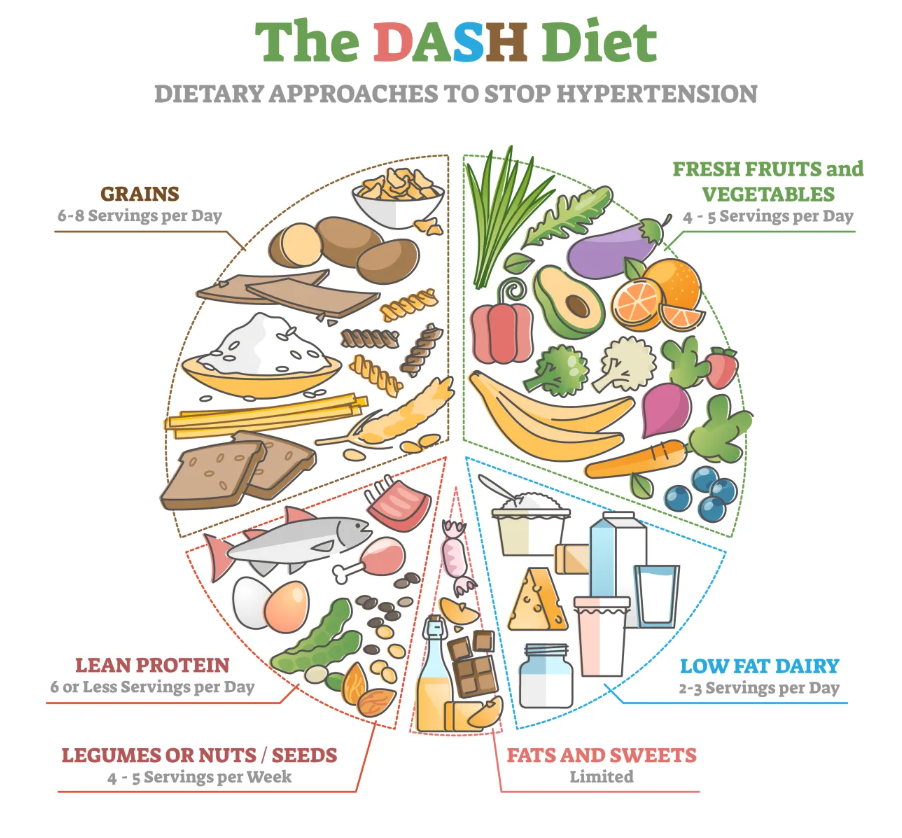
The DASH diet encourages a fixed number of daily servings from various food groups, depending on how many calories you need per day.
If you are following a 2000 calorie-a-day diet, here are the recommended servings from each food group:
Grains: 6 to 8 servings a day
You can eat bread, Jowari rotis, Bajra, or rice. Choose whole grains over refined grains as they have more fibre and nutrients. Other healthy options include Jau(Barley) or Ragi.
Since the major health benefit of grains is that they are naturally low in fat, avoid pairing your whole wheat rotis with ghee or butter.
Vegetables: 4 to 5 servings a day
Tomatoes, carrots, broccoli and sweet potatoes are great sources of fibre, vitamins, and minerals such as potassium and magnesium. Additionally, you can opt for green peas, palak (spinach) or green beans.
One serving includes 1 cup raw leafy green vegetables or 1/2 cup cut-up raw or cooked vegetables. A lot of people consider vegetables as an accompaniment to the ‘main meal’, however, the DASH diet encourages eating vegetable dishes as a whole meal. You can still pair them with whole wheat noodles or brown rice.
If you do choose to add these veggies to a meat dish, double the amount of veggies and reduce the amount of meat.
Fruits: 4 to 5 servings a day
Some great fruit options are apples, apricots, bananas, dates, grapes, oranges, melons, peaches, pineapples, raisins, or strawberries. Since fruits are low in fat and high in fibre, potassium, and magnesium, they are the obvious choice when it comes to following a healthier diet. Also, remember to leave on the peels of apples and pears since they contain healthy nutrients and fibre.
Some citrus fruit juices can interact with certain medications, so consult with your doctor if you’re unsure of the effects. When opting for canned or packaged juice, ensure it is sugar-free.
Dairy: 2 to 3 servings a day
When choosing dairy products as a part of your DASH diet, make sure to opt for the fat-free kind. Dairy products are rich in calcium, Vitamin D, and protein, thus adding them to your diet can be a very healthy choice. Also, low-fat dahi (curd) can serve as a great dessert option when you’re craving something sweet, yet healthy.
Lean meat, poultry, and fish: 6 servings or fewer a day
Meat is a great source of Vitamin B and proteins, iron and zinc. Select lean meats and stick to no more than 170 grams per day. Also, the healthiest way to consume meat is to bake, grill or roast instead of frying in oil. Include heart-healthy fish such as tuna which is high in omega-3 fatty acids and can help lower your cholesterol.
Nuts, seeds and legumes: 4 to 5 servings a week
This food group is high in magnesium, potassium and protein, as well as fibre and phytochemicals, which can help to protect against certain types of cancers and cardiovascular disease. Some examples are almonds, sunflower seeds, kidney beans, peas or masoor dal (lentils).
Since these foods are high in calories, restrict consumption to only a few times per week. One serving could include 1/3 cup nuts, 2 tablespoons seeds, or 1/2 cup cooked beans or peas.The important thing to remember is that nuts contain healthy fats such as monounsaturated fat and omega-3 fatty acids. A good way to include them in your diet is to add them to salads or breakfast cereals.
If you are looking for alternatives to meat, paneer (cottage cheese) is a good option.
Fats and oils: 2 to 3 servings a day
Most people have negative ideas about fats and try to exclude them entirely from their diets, in an attempt to get healthy. However, the truth is that not all fats are bad for you. The DASH diet aims to limit the total fat consumption per day by focusing on healthier monounsaturated fats.
Including fats in your diet is important because they help to absorb important vitamins and boost your body’s immune system.
According to the DASH diet, you should limit your intake of butter, cheese, whole milk and cream in your diet, thus reducing overall consumption of saturated fats. It also recommends completely avoiding trans fats found in processed foods and fried items.
Sweets: 5 servings or fewer a week
Although sugar-rich foods should be avoided to a large extent, they don’t have to be eliminated entirely.
The DASH diet recommends you eat sweets that are fat-free or low-fat such as brownies or cakes made with low-fat ingredients or fruit salads. It’s OK to use artificial sweeteners, but consumption should be done in moderation and try to choose a healthier beverage or dessert option.
https://www.ncbi.nlm.nih.gov/books/NBK499961/
https://www.ncbi.nlm.nih.gov/books/NBK539859/
https://pmc.ncbi.nlm.nih.gov/articles/PMC6053341/
https://www.who.int/news-room/fact-sheets/detail/hypertension
DASH diet – https://www.medanta.org/patient-education-blog/dash-diet-for-hypertension
HPV vaccine in India helps prevent cervical cancer and other HPV-related cancers. Learn about cost, schedule, and eligibility for men and women.

Looking for a doctor near you? Care247 offers online doctor consultations and doctor home visits. Book trusted medical care at home quickly and safely.

Looking for a reliable caregiver for elderly parents at home in India? Here’s a complete 2026 guide to choosing trained, verified, and trustworthy home caregivers.