
Blog
Festive Season Health Tips: 10 Easy Ways to Stay Healthy
Looking for festive season health tips? Learn 10 easy ways to enjoy sweets, festive meals and celebrations while taking better care of your health.
Follow & Share
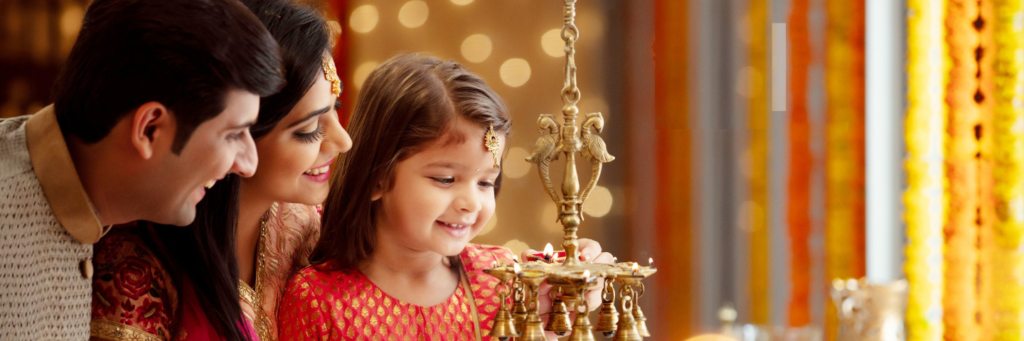
Festival season is one of the happiest times of the year. There is family, food, travel, late-night celebrations and plenty of sweets.
But our normal health routine can also change very quickly.
We may eat more than usual, drink less water, sleep late, exercise less and forget regular medicines or health checks.
These festive season health tips can help you enjoy the celebrations without making your health an afterthought.
The good news is that staying healthy during festivals does not mean saying no to every sweet or favourite dish.
It simply means finding a better balance.
Planning to skip lunch because you have a big dinner later?
It may actually make you much hungrier by evening.
As a result, you may eat faster and take larger portions than you normally would.
Instead, try to follow your regular meal timings.
If dinner is going to be late, have a light snack such as fruit, curd, nuts or another simple option beforehand.
The idea is simple:
Don’t reach the celebration starving.
Mithai is part of our festivals.
So you don’t need to feel guilty about enjoying your favourite sweet.
The better approach is portion control.
Instead of eating several types of sweets throughout the day, choose the ones you genuinely enjoy.
Take a small portion and eat it slowly.
For example, instead of automatically taking three sweets because they are on the table, start with one.
You can always decide later if you actually want another.
Enjoy the sweet. Don’t let the sweet become the whole meal.
Festival meals often include several carbohydrate-rich and fried foods together.
Think puri, rice, potatoes, namkeen, desserts and sweet drinks — sometimes all in one sitting.
One of the easiest festive season health tips is to make space for other foods too.
Try adding:
You can still enjoy your favourite festive dishes.
The aim is not to create a perfect plate.
The aim is to create a more balanced plate.
During busy celebrations, people often remember the food but forget about water.
Travel, shopping, hosting guests and long evenings can make it easy to go for hours without drinking enough.
Keep water nearby and drink regularly through the day.
Also remember that soft drinks, sweetened juices and sugary festive beverages can contain a significant amount of added sugar.
Water should still remain your main source of hydration.
A simple trick?
Keep a water bottle visible during the day.
If you can see it, you are more likely to remember it.
You don’t need a one-hour gym session during every festival.
A little movement still counts.
After a large meal, instead of immediately sitting or lying down, take a short walk.
You can also:
Festivals may change your routine, but they don’t have to stop your movement completely.
Late-night celebrations are normal during festival season.
However, several nights of poor sleep can leave you tired and make it harder to maintain your usual routine.
Try to get enough rest between celebrations.
If you have had a particularly late night, avoid filling the next day with unnecessary commitments when possible.
Older adults may need even more attention to their normal sleep schedule.
Celebration is important.
Recovery is important too.
Festivals can change meal times, travel plans and daily schedules.
That makes it surprisingly easy to miss regular medicines.
People managing conditions such as:
should try to continue their prescribed medication routine.
If you are travelling, carry enough medicines with you.
It can also help to set reminders on your phone.
Do not change or stop prescribed medication just because your eating routine has changed unless your doctor advises you to do so.
Festive food can be particularly challenging for people managing diabetes.
That doesn’t necessarily mean every favourite food has to disappear.
However, portion size, meal timing and overall food choices become more important.
Try to:
If your blood sugar readings remain unusually high or low, speak to a healthcare professional.
Never adjust insulin or diabetes medicines on your own simply to compensate for eating more sweets.
Festivals can be tiring for elderly family members.
There may be guests, travel, loud celebrations, changing meal times and late nights.
Amid everything happening around you, take a minute to check:
Have they eaten properly?
Have they taken their medicines?
Have they had enough water?
Are they feeling unusually weak, dizzy or tired?
Do they need some rest?
These small checks can make a big difference.
Sometimes good healthcare starts with simply noticing that someone is not feeling like themselves.
Feeling slightly heavy after a large festive meal can happen.
But every symptom should not automatically be blamed on overeating.
Pay attention if someone develops symptoms that are severe, unusual, persistent or getting worse.
Seek medical advice if you are concerned about symptoms such as repeated vomiting, severe abdominal pain, unusual weakness or symptoms that continue instead of improving.
For serious symptoms such as severe chest pain, major breathing difficulty, loss of consciousness, sudden confusion or another medical emergency, seek immediate emergency medical assistance.
When in doubt, getting the right medical advice is safer than assuming:
“Festival ka khana hai, theek ho jayega.”
Healthy festivals do not need to feel restrictive.
You can enjoy the food.
You can eat mithai.
You can stay up for celebrations.
And you can still take care of yourself.
Remember these simple festive season health tips:
Eat regular meals.
Control portions instead of completely avoiding your favourite foods.
Drink enough water.
Keep moving.
Get adequate rest.
Continue your medicines.
And pay extra attention to elderly family members or anyone managing a medical condition.
A few small choices can help make the festive season enjoyable during the celebration and after it too.
Health concerns don’t always follow a convenient schedule.
Someone may suddenly feel unwell.
An elderly parent may need medical attention.
A family member may need a doctor consultation but find travelling difficult.
That’s where easier access to healthcare can help.
Care247 connects families with healthcare support for emergencies to everyday care, including:
So while your family focuses on celebrating together, healthcare support can remain easier to access when you need it.
Care247 — Emergencies to everyday care.
Some of the simplest festive season health tips are to maintain regular meals, control portions, drink enough water, stay physically active, sleep properly and continue prescribed medicines.
Avoid skipping meals before a celebration. Eat slowly, use smaller portions and choose the festive foods you genuinely enjoy instead of trying everything available.
For most healthy adults, occasional sweets can be part of a balanced diet. Portion size and how often you eat them matter. People with diabetes or specific dietary restrictions should follow advice from their healthcare professional.
Continue regular meals and medicines, control sweet portions, balance meals with vegetables and protein, stay active and monitor blood sugar as recommended by your doctor.
Maintain your normal routine as much as possible. Eat balanced meals, stay hydrated, limit excessive sweets and fried foods, stay active, sleep adequately and avoid missing medicines.
Seek medical advice if symptoms are severe, unusual, worsening or continue for a prolonged period. Serious symptoms such as severe chest pain, major breathing difficulty, loss of consciousness or sudden confusion require urgent medical attention.
Looking for festive season health tips? Learn 10 easy ways to enjoy sweets, festive meals and celebrations while taking better care of your health.
Know dengue symptoms, warning signs, platelet changes and the right time for NS1 and IgM tests. Learn how dengue differs from common viral fever.

Not sure when to see a doctor? Learn the common symptoms and warning signs that need medical attention and when you should seek immediate care.